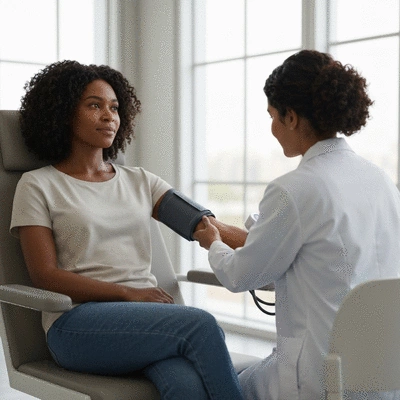
Prevalence by Age 55
75%
of African American adults are diagnosed with hypertension.
By 55, approximately 75% of African Americans will be diagnosed with hypertension. This statistic underscores the importance of awareness and action in addressing health disparities that affect our communities. Understanding and tackling these issues can lead to better health outcomes.
The following visual highlights critical statistics and healthcare disparities related to hypertension among African Americans, emphasizing prevalence, risks, and contributing factors.
75%
of African American adults are diagnosed with hypertension.
~40%
of African American adults are unaware of their hypertension.
Hypertension, or high blood pressure, is a critical health issue that disproportionately affects African Americans. Did you know that by the age of 55, approximately 75% of African American adults are diagnosed with hypertension? This staggering statistic highlights the urgent need for awareness and action within our communities. The Centers for Disease Control and Prevention (CDC) provides further facts and statistics on high blood pressure, emphasizing its prevalence and impact.
As advocates for health equity at the Maryland State Chapter of the National Medical Association, we recognize that understanding the prevalence of hypertension is the first step toward combating it. By addressing these numbers, we can better empower our physicians and communities to create impactful health initiatives.
These statistics are not just numbers; they represent real lives affected by a condition that can lead to severe health complications. Understanding these rates can help us address the broader public health implications and work toward effective community solutions.
High blood pressure is linked to several serious health conditions, including stroke, kidney disease, and heart failure. Each of these complications poses a significant risk, particularly for African Americans, who often face higher rates of these diseases due to systemic health disparities. The World Health Organization (WHO) offers comprehensive information on hypertension, detailing its global impact and associated health risks.
Recognizing the connection between hypertension and these grave health risks is essential for motivating proactive measures. By amplifying awareness about these dangers, we can encourage communities to engage with their health and pursue better outcomes.
Healthcare disparities play a crucial role in how hypertension is managed among African Americans. Factors such as socioeconomic status, access to healthcare resources, and historical discrimination can significantly impact treatment options and outcomes.
At the Maryland State Chapter of the National Medical Association, we strive to address these disparities by advocating for improved access and education. By highlighting these issues, we can work collaboratively to promote better health policies and initiatives that support our communities.
Understanding the broader social context in which hypertension exists is vital to addressing its prevalence. In the following sections, we will explore the impact of structural racism and socioeconomic status on the health of African Americans and how we can effectively combat these issues together.
How do you currently manage your blood pressure? Share your thoughts below:
Managing high blood pressure is not just about medication; it's about making conscious lifestyle choices. Here are some actionable tips that can help:
By implementing these changes, individuals can see significant improvements in their blood pressure levels. Remember, every small step counts on this journey to better health!
It's vital to understand that mental health and stress play significant roles in hypertension management. High levels of stress can lead to temporary spikes in blood pressure, which may contribute to long-term health issues. Furthermore, conditions such as anxiety and depression can complicate adherence to treatment plans.
Addressing mental well-being through support systems and therapy can empower individuals to manage their blood pressure more effectively. Engaging in social activities and fostering connections within the community can also alleviate feelings of isolation and anxiety.
Education is a powerful tool in combating hypertension, especially within the African American community. Health education initiatives are crucial in increasing awareness around high blood pressure and its risks. Programs can include:
At the Maryland State Chapter of the National Medical Association, we believe in empowering our community with knowledge. By fostering educational opportunities, we can help individuals take control of their health and reduce hypertension prevalence.
To effectively tackle hypertension, communities must come together to raise awareness about its risks, especially among African Americans. This includes creating initiatives that specifically target hypertension education. Consider organizing health forums or partnering with local organizations to disseminate information. These efforts can make a significant impact on community health!
Sharing personal stories can foster a sense of connection and support among those affected by hypertension. Encouraging open dialogue about health challenges helps dismantle stigma and promotes understanding. Support networks can empower individuals to share their experiences and learn from each other.
Creating these networks can lead to improved mental health and a stronger community response to hypertension management.
Working closely with healthcare professionals is key to enhancing hypertension management. Collaboration can involve:
By fostering relationships with healthcare providers, patients can feel more supported in their journey toward better health. Together, we can create a comprehensive approach to tackling hypertension in our communities.
Here is a quick recap of the important points discussed in the article:
The Maryland State Chapter of the National Medical Association, is a group of dedicated physicians and advocates for health equity, specializing in the advancement of culturally relevant health education.
With many years of experience in both clinical practice and community outreach, Our physicians are passionate about empowering other African American physicians and enhancing the health outcomes of communities of color.
Their commitment to advocacy and leadership drives the mission of The Maryland State Chapter of the National Medical Association, where dedicated physicians work to amplify the voices of Black physicians nationwide.
The NMA is national professional and scientific organization that represents the interests of 50,000 african american physicians who are the leading advocates for their patients.
The NMA was founded in 1895 and is the oldest organization representing AA physicans and their patients and health care workers.
Current Maryland Leadership
President Stephen McKenna MD
Vice President Darryl Hill MD