As we continue to navigate the complexities of the COVID-19 pandemic, understanding its ongoing impact is essential. The data reveals a stark reality: the effects of COVID-19 persist, making it crucial for us to stay informed and vigilant.
What You Will Learn
Global COVID-19 statistics indicate over 600 million confirmed cases and approximately 6.5 million deaths, highlighting the necessity for ongoing public health measures.
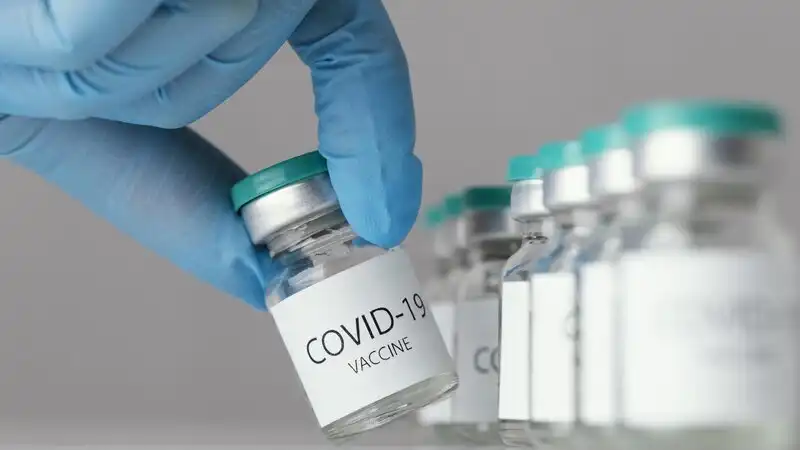
Vaccination efforts have reached over 70% of the global population, underscoring the importance of vaccination campaigns in reducing death rates.
In Maryland, a positive case rate of about 5% and declining hospitalization rates illustrate the evolving local situation, necessitating continued preventive measures.
Trustworthy resources such as the WHO and CDC are pivotal in providing reliable information to aid public health responses and community advocacy.
Utilizing health dashboards for real-time COVID-19 statistics empowers individuals to make informed health choices based on current data.
Community engagement in health initiatives and advocacy enhances health outcomes, particularly in marginalized populations seeking equitable care.
COVID-19 stands for "coronavirus disease 2019." It is caused by a virus called SARS-CoV-2. The virus first appeared in late 2019 and quickly spread around the world.
There are different "variants," or strains, of the virus that causes COVID-19. Some variants seem to spread more easily than the original virus. Certain variants might also make people sicker than others.
The virus that causes COVID-19 mainly spreads from person to person. This usually happens when an infected person coughs, sneezes, or talks near other people.
A person can be infected, and spread the virus to others, even without having any symptoms.
What are the symptoms of COVID-19?
Symptoms usually start 3 to 5 days after a person is infected with the virus. But it can take up to 2 weeks for symptoms to appear. Some people never show symptoms at all.
When symptoms do happen, they can include:
●Fever
●Cough
●Trouble breathing
●Feeling tired
●Shaking chills
●Muscle aches
●Headache
●Sore throat
●Runny or stuffy nose
●Problems with sense of smell or taste
Many people only have mild cold symptoms. Some people have digestive problems, like nausea or diarrhea. There have also been some reports of rashes or other skin symptoms.
For most people, symptoms get better within a few days to weeks. But a small number of people get very sick and stop being able to breathe on their own. In severe cases, their organs stop working, which can lead to death.
Some people with COVID-19 continue to have some symptoms for weeks or months. This seems to be more likely in people who are sick enough to need to stay in the hospital. But this can also happen in people who did not get very sick.
Am I at risk for getting seriously ill?
It depends on your age, your health, and whether you have been vaccinated. In some people, COVID-19 leads to serious problems like pneumonia, which can cause a person to not get enough oxygen. It can also lead to heart problems, or even death. This risk gets higher as people get older. It is also higher in people who have other health problems like serious heart disease, chronic kidney disease, type 2 diabetes, chronic obstructive pulmonary disease (COPD), sickle cell disease, or obesity. People who have a weak immune system for other reasons (for example, HIV infection or certain medicines), asthma, cystic fibrosis, type 1 diabetes, or high blood pressure might also be at higher risk for serious problems.
Getting vaccinated makes people much less likely to get seriously ill with COVID-19.
Is there a test for the virus that causes COVID-19?
Yes. If you think you might have COVID-19, you can get tested. This is especially important for people who are in the hospital or at risk of getting seriously ill. It's also a good idea to get tested if you are in close contact with someone who could get very sick from COVID-19.
Getting tested involves taking a swab from inside your nose or mouth. Some tests use a saliva sample. These tests can help you or your doctor figure out if you have COVID-19 or another illness.
What should I do if I get COVID-19?
Stay home, rest, and drink plenty of fluids. You can also take acetaminophen (sample brand name: Tylenol) to relieve fever and aches. If this does not help, you can try medicines like ibuprofen (sample brand names: Advil, Motrin).
If you go to a walk-in clinic or a hospital because of your symptoms, the staff might ask you to wear a mask or to wait somewhere where you are less likely to spread the infection.
Whether or not you see a doctor or nurse, stay home while you are sick with COVID-19. Do not go to work or school until your fever has been gone for at least 24 hours without taking medicine such as acetaminophen.
If your breathing symptoms get worse, call your doctor or nurse for advice. If you think you are having a medical emergency, call for an ambulance (in the US and Canada, call 9-1-1).
If I have COVID-19, do I need treatment?
It depends on your age, health, and symptoms. Most people with mild COVID-19 can rest at home until they get better. "Mild" means you might have symptoms like fever, cough, or other cold symptoms, but you do not have trouble breathing. It often takes about 2 weeks for symptoms to improve, but it's not the same for everyone.
Doctors do recommend treatment for people who are at risk of getting seriously ill, even if their symptoms are mild. This includes adults who:
●Are 75 years or older
●Have a weak immune system
●Have certain health conditions – Examples include diabetes, serious heart or lung disease, chronic kidney disease, and obesity.
If you are not sure if you fit into any of these categories, ask your doctor or nurse about treatment. They can talk to you about the risks and benefits.
How is COVID-19 treated?
For people who get treatment for mild COVID-19, the medicine most often used is an "antiviral" called nirmatrelvir-ritonavir (brand name: Paxlovid). This can lower your risk of getting sicker.
If your doctor suggests this treatment, it's important to know:
●Paxlovid comes as several pills you take for 5 days.
●Start treatment within 5 days after symptoms begin. This is why it's important to test early so you know if you have COVID-19 as soon as possible.
If you have more severe illness with trouble breathing and low oxygen levels, or if you have other health problems, you might need to stay in the hospital. Some people need to stay in the intensive care unit (ICU). In the hospital, the staff can monitor and support your breathing and other body functions and make you as comfortable as possible. They can give treatments such as extra oxygen and medicines. If you are very sick, you might need to be put on a breathing machine, called a "ventilator."
Can COVID-19 be prevented?
The best way to prevent COVID-19 is to get vaccinated. In the US, people age 6 months and older can get a vaccine.
In addition to vaccination, there are other things you can do to help protect yourself and others. You should:
●Wash your hands often.
●Consider wearing a face mask in some situations. Wearing a mask can help protect both you and others around you.
●Stay home when you are sick. Try to avoid close contact with other people.
●Cover your mouth and nose with the inside of your elbow when you cough or sneeze.
●Clean things that are touched a lot if someone in your home is sick. This includes counters, bedside tables, doorknobs, computers, phones, and bathroom surfaces.
●Make sure there is good ventilation (air flow) in your home. When possible, open windows to let fresh air in.
COVID-19 Global and Regional Snapshot
Understanding the current statistics and trends of COVID-19 is vital for informed health decisions and effective public health responses.
Global COVID-19 Overview
•Cases: Over 600 million
•Deaths: Approx. 6.5 million
•Vaccination: >70% global pop. (1 dose)
Maryland Regional Statistics
•Positive Rate: Approx. 5%
•Hospitalizations: Steady decline (past month)
•Transmission: Moderate level
Trusted Information Sources
•WHO: Global guidance & updates
•CDC:s U.S.-specific data & recs
•Local Health Depts: Community resources
Health Dashboards & Updates
•Daily Updates: Case numbers & trends
•Visualizations: Accessible data
•Local Insights: Community transmission
Understanding the Ongoing Impact of COVID-19
As we continue to navigate the complexities of the COVID-19 pandemic, it's crucial to understand its ongoing impact on our health and communities. Data shows that while we’ve made significant strides, the effects of this virus are far from over. The Maryland State Chapter of the National Medical Association is dedicated to keeping our communities informed and empowered with the latest health information.
Let’s dive into the current statistics and trends that shape our understanding of this public health crisis.
Current Overview of COVID-19 Statistics and Trends
Staying informed about the latest COVID-19 statistics is vital for making sound health decisions. Globally, we have seen fluctuations in case counts, with some regions experiencing surges while others stabilize. Here’s a snapshot of the current situation:
Global Case Count: Over 600 million confirmed cases.
Global Death Count: Approximately 6.5 million deaths attributed to COVID-19.
Vaccination Rates: More than 70% of the global population has received at least one dose of a vaccine.
This data underscores the importance of ongoing vigilance and public health measures to manage the spread of the virus.
Global COVID-19 Case and Death Counts
Across the globe, different countries face unique challenges. The impact of COVID-19 varies vastly, with case and death counts influenced by factors like healthcare infrastructure, vaccination rates, and public compliance with health guidelines. For example, countries that have implemented robust vaccination campaigns have reported lower death rates. The Centers for Disease Control and Prevention (CDC) provides extensive burden estimates and statistics for COVID-19, offering detailed insights into its impact. Additionally, the Wharton Budget Model has analyzed the long-run impact of COVID-19 on the U.S. population, illustrating its lasting effects.
Understanding these global statistics helps us appreciate the efforts made by healthcare professionals and advocates like ourselves—we continue to strive for health equity and better outcomes for communities of color.
Regional Statistics and Transmission Rates
In Maryland, the situation is continuously evolving. Recent data indicates:
Positive Case Rate: Approximately 5% of tests are coming back positive.
Hospitalization Rates: A steady decline in hospitalizations has been observed over the past month.
Community Transmission Level: Currently classified as moderate, which prompts ongoing preventive measures.
These statistics are essential for understanding how our local communities are faring in the fight against COVID-19. They help guide our advocacy efforts and inform our health education initiatives aimed at empowering African American physicians and their patients. The SEER program also offers data on the impact of COVID-19 on cancer patients and care, highlighting broader health implications.
Institutional Resources for COVID-19 Information
Reliable information is a cornerstone of effective public health responses. It is essential to turn to trustworthy sources for updates and guidance. Here are some key resources:
World Health Organization (WHO): Provides global guidance and updates.
Centers for Disease Control and Prevention (CDC): Offers U.S.-specific data and recommendations.
Local Health Departments: Share community-specific information and resources.
By utilizing these resources, we can ensure that we are basing our actions on factual data, aiding in our mission to advocate for health equity.
Reliability of Data: WHO, CDC, and Other Sources
The credibility of data is paramount, especially when making decisions that affect public health. Both the WHO and CDC utilize rigorous data collection methods to ensure that the information they provide is accurate. At the Maryland State Chapter of the NMA, we encourage everyone to rely on these trusted sources to stay informed about COVID-19 developments.
Engaging with reliable data helps us better advocate for our communities, ensuring that everyone has access to the information they need.
Utilizing Health Dashboards for Real-Time Updates
In addition to institutional resources, health dashboards can offer real-time insights into COVID-19 statistics. These platforms provide:
Daily updates on case numbers and trends.
Visualizations that make complex data accessible.
Local updates that reflect community transmission levels.
By using health dashboards, we can stay ahead of the curve and drive informed discussions within our communities.
Understanding the Role of the World Health Organization in Global Health Responses
The World Health Organization plays a critical role in coordinating global health responses to pandemics. By establishing guidelines and providing resources, the WHO ensures that countries can respond effectively. Their framework for health policies supports countries like ours in reducing transmission rates and improving health outcomes.
As advocates for health equity, it is vital for us to understand and disseminate this information within our communities, amplifying the message that health is a fundamental right for all.
Frequently Asked Questions About COVID-19
What are the current global COVID-19 statistics?
Globally, there have been over 600 million confirmed cases and approximately 6.5 million deaths attributed to COVID-19. More than 70% of the global population has received at least one vaccine dose.
What is the COVID-19 situation in Maryland?
In Maryland, the positive case rate is approximately 5%, and hospitalization rates have shown a steady decline over the past month. The community transmission level is currently classified as moderate.
Where can I find reliable information about COVID-19?
Reliable sources include the World Health Organization (WHO) for global guidance, the Centers for Disease Control and Prevention (CDC) for U.S.-specific data, and local health departments for community-specific information.
How can I stay updated on real-time COVID-19 statistics?
Health dashboards provide daily updates on case numbers and trends, accessible visualizations, and local updates on community transmission levels.
Why is community participation important in managing the pandemic?
Community participation is crucial for promoting health safety and well-being. It helps strengthen local advocacy efforts, ensures equitable access to information and resources, and supports initiatives like vaccination clinics and health education.
Engage with Us!
How has the COVID-19 pandemic impacted your community? We want to hear your thoughts and experiences. Share your insights below:
Summarizing Key Insights on COVID-19
As we navigate through the complexities of COVID-19, staying informed has never been more critical. Accurate information can help guide our health decisions and empower us to take the right steps for ourselves and our communities. Understanding the evolving situation allows us to make more informed choices about health and safety, ensuring we’re not only protecting ourselves but also those around us.
In our role at the Maryland State Chapter of the National Medical Association, we emphasize the importance of relying on credible sources for information. Public health guidelines remain essential in managing the pandemic effectively. These guidelines help us understand the risks and the necessary precautions we should take to prevent transmission.
The Importance of Staying Informed
Accessing accurate and up-to-date information is crucial during these challenging times. Here are a few ways accurate information can guide our health decisions:
Identifying symptoms early to seek treatment
Understanding vaccination options and eligibility
Making informed decisions about public gatherings and travel
Staying updated on local transmission rates and guidelines
By engaging with reliable resources, we can better navigate our health choices and contribute to community safety.
How Accurate Information Can Guide Health Decisions
Reliable information provides the foundation for effective health decisions. It helps us discern between misinformation and facts, enabling us to act appropriately. Moreover, understanding the recommended health practices, such as wearing masks and practicing social distancing, can significantly reduce the risk of transmission in our communities.
Additionally, as advocates for health equity, we stress that equitable access to information is vital. This means ensuring that all communities, especially those marginalized, receive the necessary resources to stay informed and safe.
The Role of Public Health Guidelines in Managing the Pandemic
Public health guidelines serve as a roadmap for individuals and communities. They help us understand the best practices for reducing the spread of COVID-19. It’s important to remember that these guidelines are based on the latest scientific evidence, which is continually updated as we learn more about the virus.
By adhering to these guidelines, we not only protect ourselves but also contribute to the broader effort to manage the pandemic effectively. Every action counts, and our collective adherence can lead to significant improvements in health outcomes.
Taking Action for a Healthier Future
As we look toward recovery, taking action is essential for both personal and community health. This includes connecting with local health services and networks that can provide support during these challenging times. By reaching out to these resources, we can access vital information and help for ourselves and others.
At the Maryland State Chapter of the National Medical Association, we encourage everyone to actively engage with their local health services. Whether it’s through educational programs or vaccination clinics, being involved can strengthen our community’s health resilience.
Engaging with Resources for Support and Recovery
Connecting with local health services is a proactive step toward recovery. Here are some ways to engage:
Participate in community health outreach programs
Utilize telehealth services for medical consultations
Attend local health workshops to stay informed
Join support groups focused on health recovery
By engaging with these resources, we can foster a culture of support and resilience within our communities.
Connecting with Local Health Services and Networks
Establishing connections with local health services is crucial for accessing care and support. Many organizations, including our chapter, offer resources tailored to the specific needs of communities of color. By reaching out, individuals can find guidance, support, and connection to healthcare professionals who understand their unique challenges and needs.
It’s essential that we all take part in building these networks, as they can lead to more personalized and culturally relevant care, ultimately improving health outcomes.
Encouraging Community Participation in Health Safety
Community participation is vital in promoting health safety and well-being. We encourage everyone to take an active role in advocating for better health practices locally. Here are a couple of ways to get involved:
Share information about vaccination clinics within your community
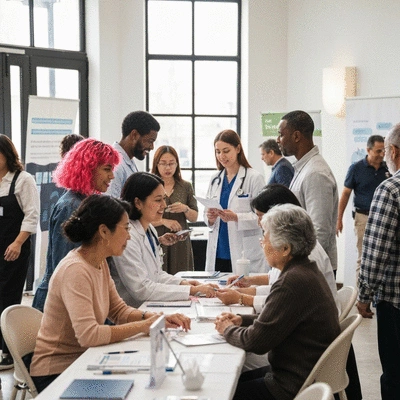
Organize or participate in local health fairs
Support initiatives that promote health education and awareness
Engage in conversations about health equity and access to care
Our involvement not only strengthens our community but also amplifies the voices of those who may feel unheard in the health landscape.
How to Advocate for Better Health Practices Locally
Advocacy starts at the grassroots level. By identifying the specific health needs of our community, we can push for necessary resources and policies that promote health equity. Engaging with local governments and health organizations can help ensure that our community's concerns are addressed effectively.
As we champion these efforts, it’s essential to work collaboratively with other community leaders. Together, we can create a unified front that elevates health concerns and demands action for better health practices.
Understanding Vaccine Rollout and Community Vaccination Clinics
The vaccination rollout is a crucial aspect of our response to COVID-19. Understanding how vaccines are distributed and where to access them is vital for everyone. Community vaccination clinics serve as a key resource, providing convenient access to vaccines for all.
At the Maryland State Chapter of the NMA, we believe that equitable access to vaccines is essential for achieving herd immunity and ultimately, returning to a sense of normalcy. By staying informed and participating in these initiatives, we can pave the way for a healthier future for everyone in our communities.
Recap of Key Points
Here is a quick recap of the important points discussed in the article:
COVID-19 continues to affect global health, with over 600 million confirmed cases and 6.5 million deaths worldwide.
Vaccination efforts have reached over 70% of the global population, highlighting the importance of ongoing public health measures.
Local statistics in Maryland indicate a 5% positive case rate and a steady decline in hospitalizations.
Reliable sources like WHO and CDC are essential for accurate information and effective health decisions.
Engaging with local health services and participating in community health initiatives can enhance recovery and support.
Advocacy for health equity is crucial, particularly in ensuring marginalized communities receive necessary resources and care.
The Maryland State Chapter of the National Medical Association, is a group of dedicated physicians and advocates for health equity, specializing in the advancement of culturally relevant health education.
With many years of experience in both clinical practice and community outreach, Our physicians are passionate about empowering other African American physicians and enhancing the health outcomes of communities of color.
Their commitment to advocacy and leadership drives the mission of The Maryland State Chapter of the National Medical Association, where dedicated physicians work to amplify the voices of Black physicians nationwide.
The NMA is national professional and scientific organization that represents the interests of 50,000 african american physicians who are the leading advocates for their patients.
The NMA was founded in 1895 and is the oldest organization representing AA physicans and their patients and health care workers.
Current Maryland Leadership
President Stephen McKenna MD
Vice President Darryl Hill MD
Welcome to The Maryland State Chapter of the National Medical Association
The Maryland State Chapter of the NMA is dedicated to advocating for health equity and enhancing care in communities of color. We empower African American physicians with culturally relevant health education to drive systemic change and better health outcomes.