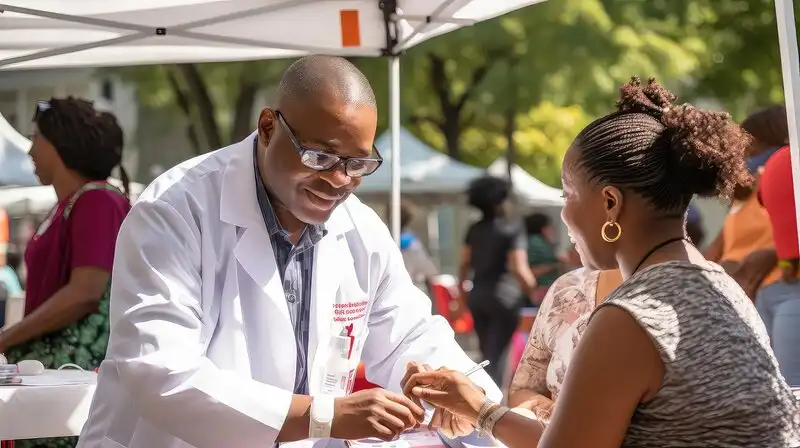
What is Community Wellness?
- ✓ Empowerment & Autonomy
- ✓ Culturally Relevant Accessibility
- ✓ Collaboration for Systemic Change
What does community wellness really mean for African Americans? The answer lies in the intersection of health, culture, and empowerment. As we explore this vital topic, discover how collective efforts can break down barriers and enrich lives.
Community wellness for African Americans is built on critical foundations, addressing health disparities and fostering empowerment through dedicated programs and accessible resources.
Community wellness is more than just health; it encompasses the overall well-being of individuals within a community. It involves addressing physical, mental, and emotional health needs in a way that is culturally relevant and accessible. For African American communities, community wellness is especially crucial as it fosters a sense of unity and collective empowerment, allowing individuals to thrive together.
At The National Medical Association, we believe that understanding community wellness helps us tackle the systemic health disparities that affect so many people of color. Engaging with our communities and recognizing their unique needs allows us to create tailored solutions that encourage better health outcomes for everyone.
Community wellness can be defined as the active effort to promote health and well-being within a community by involving its members in the process. This approach not only enhances physical health but also strengthens social connections and fosters a supportive environment.
These factors highlight why community wellness is essential in addressing health challenges, especially in African American communities, where systemic inequities often hinder access to quality care.
Health disparities are significant differences in health outcomes and access to care that are often associated with social, economic, and environmental disadvantages. In our work at The National Medical Association, we have seen the profound impact these disparities can have on African American communities.
By understanding these disparities, we can better advocate for solutions that tackle the root causes, ultimately promoting health equity and justice for all. For example, reports like the Stanford Health Care Community Benefits Report FY23 shed light on these disparities and the efforts being made to address them.
Community health centers are a vital resource in promoting wellness, particularly in underserved areas. They serve as a bridge between the healthcare system and the community, offering essential services that cater to the specific needs of African Americans. For instance, the UH Community Health Investment Report highlights the critical role these centers play in providing preventive care and support.
Through our initiatives at The National Medical Association, we strive to enhance the support provided by these centers, ensuring they are equipped to address the unique health challenges faced by African American communities.
Did you know that engaging in community wellness programs can significantly improve not only your health but also the overall health of your community? Consider volunteering for local initiatives, as this can foster connections and provide vital support to those around you. By working together, we can tackle health disparities more effectively and create a ripple effect of positive change.
Here are some common questions about community wellness for African Americans:
As we reflect on the incredible community wellness programs available, it’s clear that they are vital resources for African Americans seeking better health. These initiatives, from mental health support to fitness advocacy, address the unique needs and challenges faced by our communities. Here, I’ll share some key takeaways regarding these programs and the support they provide.
Understanding the breadth of resources available can empower you or your loved ones to take proactive steps towards wellness. Here's a quick glance at the top community programs:
These programs showcase a commitment to addressing health disparities and empowering our community members through education and support. Each initiative is tailored to meet the specific cultural and social needs of African Americans, ensuring that the solutions provided resonate deeply.
Accessing these vital community resources is easier than you might think! Here are some actionable steps you can take:
By actively seeking out these programs, we can each play a role in fostering health equity and support within our communities. Remember, taking the first step is often the hardest, but every effort counts towards a healthier future for African Americans.
Engagement in community wellness initiatives is not just beneficial; it’s essential! By participating, we help create a supportive atmosphere that fosters health and well-being. Let’s delve into why your involvement matters.
Participation leads to a sense of belonging and shared purpose! When we come together, we amplify our voices and address health disparities more effectively. Here’s why your involvement is crucial:
By taking part in these initiatives, you are not only improving your own health but also contributing to a larger movement for equity and wellness.
Embedding healthy habits into our daily lives creates a ripple effect that benefits everyone around us. I often find that sharing experiences and knowledge within our community fosters a culture of lifelong learning. Here are some ways to encourage these positive habits:
Remember, our health journeys are intertwined, and by lifting one another up, we create a healthier, more informed community!
The Urban League has long been a champion for social and economic equality within our communities. Their commitment to health equity is evident through various initiatives that empower African Americans. For example, their work aligns with broader efforts to improve mental health and wellness across diverse populations. By providing resources, support networks, and advocacy, they play a crucial role in promoting community wellness. Engaging with organizations like the Urban League can further enhance our collective efforts towards a healthier future.
Here is a quick recap of the important points discussed in the article:
The Maryland State Chapter of the National Medical Association, is a group of dedicated physicians and advocates for health equity, specializing in the advancement of culturally relevant health education.
With many years of experience in both clinical practice and community outreach, Our physicians are passionate about empowering other African American physicians and enhancing the health outcomes of communities of color.
Their commitment to advocacy and leadership drives the mission of The Maryland State Chapter of the National Medical Association, where dedicated physicians work to amplify the voices of Black physicians nationwide.
The NMA is national professional and scientific organization that represents the interests of 50,000 african american physicians who are the leading advocates for their patients.
The NMA was founded in 1895 and is the oldest organization representing AA physicans and their patients and health care workers.
Current Maryland Leadership
President Stephen McKenna MD
Vice President Darryl Hill MD